
When Innovation Brings the Peace Tower to Life!
Last spring, Vestechpro took on a challenge that was unique, to say the least: to design and manufacture a giant costume modeled after the Peace…
Learn more
Transform your business through digital technology… with financial support!
Are you an SME in the fashion and apparel industry?
Your projects involving 3D design (CLO), ERP implementation, PLM implementation, artificial intelligence integration, or digital transformation may be eligible for the “Mon succès numérique” grant program.
Discover which Vestechpro services are eligible for the program and explore your funding options.

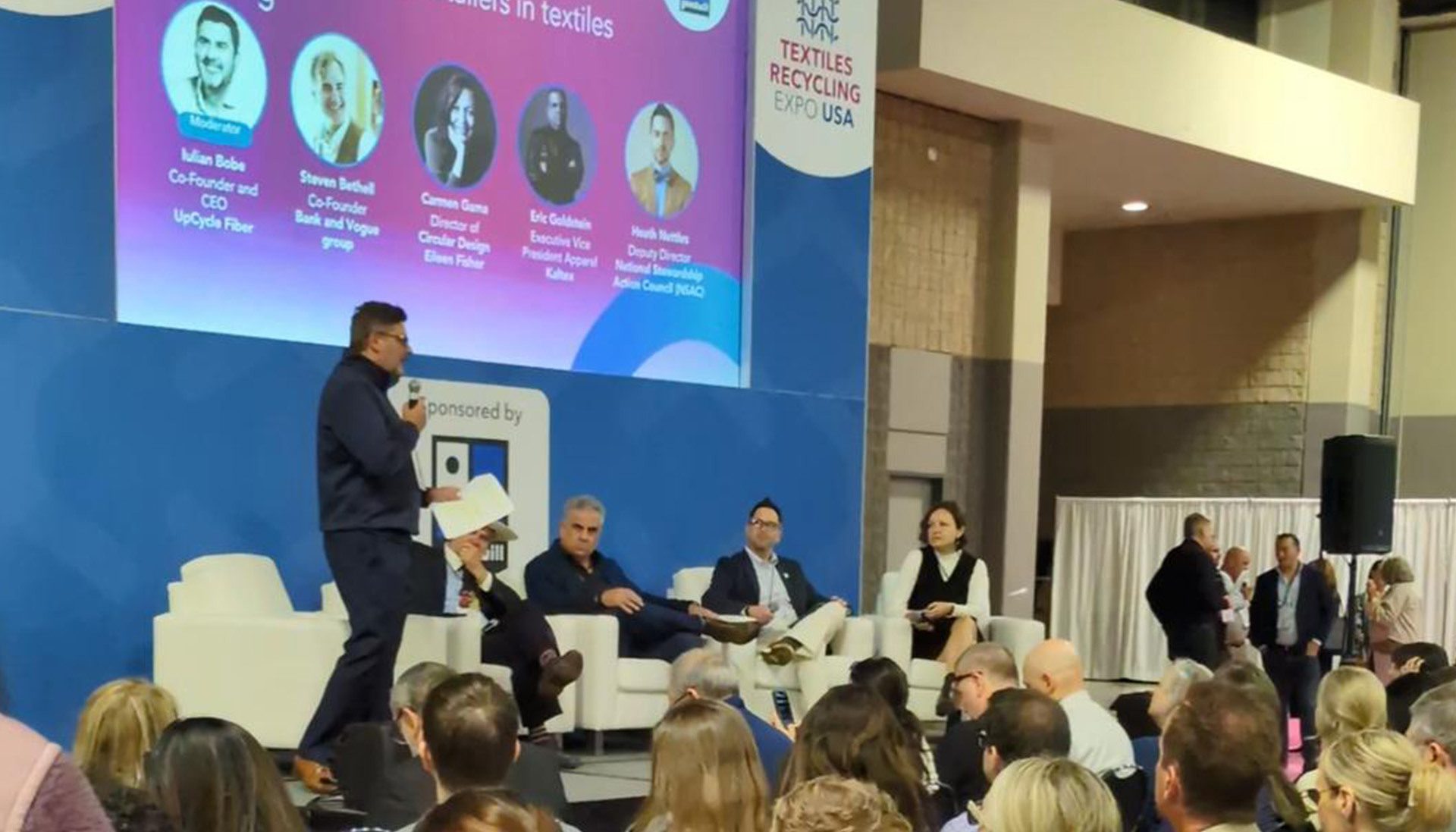
Several members of our team were in Charlotte, North Carolina, for the first edition of the “Textiles Recycling Expo USA.” It was an opportunity to learn about rapidly evolving policies, emerging technologies, and growing consumer demand in this area. Beyond the theme of recycling at the heart of the event, discussions also highlighted the many challenges associated with its implementation, including the collection of used clothing, its sorting, categorization, and handling, as well as the various stages of its transformation and repurposing into new products.
Digital Technology: A Catalyst for Pre-Recycling Stages
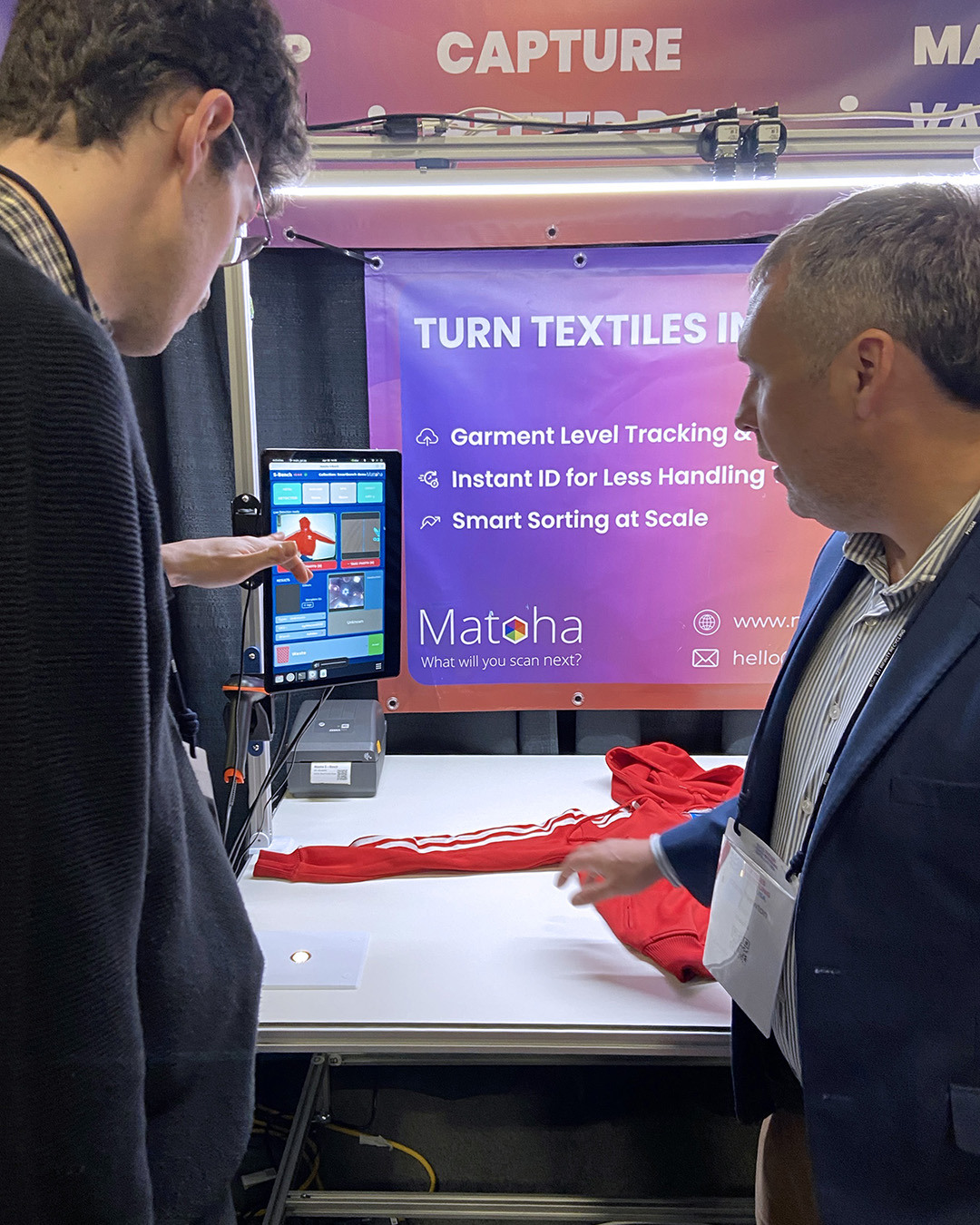
Digital technology, cloud computing, and even artificial intelligence are being integrated into the processes of collecting, categorizing, and sorting clothing by material composition.
One example of these innovations is a sorting table. This table uses infrared sensors, various types of cameras, and a scale to collect several key data points about the clothing. Information such as the condition, cleanliness, brand, type, weight, and composition of the garment can be collected in just a few seconds. This equipment is valuable for secondhand retailers because it allows them to collect and record data during the visual sorting of products before they are resold or repurposed. This data can then be used to generate statistics and inform decisions such as resale pricing, as well as identify potential avenues for upcycling.
Thus, these innovations demonstrate the importance of accelerating the industry’s digital transformation to better harness the potential of data and optimize activities downstream in the fashion and apparel value chain.
Improving Practices: From Roll Ends to Textile Sample Cards
Another notable organization our team members met with is Fabscrap, based in New York. This organization collects fashion industry scraps with the goal of finding buyers for them.
Among these scraps, end-of-roll remnants consisting of small lengths can be resold to individuals for personal projects. The goal: to repurpose already-produced textiles and reduce demand and pressure on virgin materials.
In Quebec, Core Fabrics offers a similar service to consumers by allowing them to purchase end-of-roll fabric from trusted wholesalers or independent fashion designers. The company also has a B2B offering aimed at designers and small businesses.
Another example of an initiative led by Fabscrap that is of interest to fashion companies is the collection of small fabric sample cards—also known as “fabric headers” or “swatches”—to find ways to repurpose them through recycling processes. To be recycled, these fabric samples—typically used during the product development phase—must be separated from the cardboard backing and sorted by composition. However, the various shapes and configurations of these samples pose a challenge for Fabscrap, which is why the organization has created a guide to steer the industry toward best practices: Smarter Swatches & Swatch Recycling | FABSCRAP (resource available in English).
This approach concretely illustrates that impacts at the end of the supply chain can be generated when upstream practices evolve and incorporate circularity principles from the earliest stages of product development. The initiative also highlights that, beyond the eco-design of the product itself, best practices can be implemented in the operations surrounding the de
“Upcycling” or “super-recycling”
Among the circularity strategies available to extend the lifespan of clothing, “upcycling”—also known as “suprarecycling”—involves using components from existing products to create new products with greater value, quality, or functionality than the original components (definition from the Office québécois de la langue française). The company Bank and Vogue created tote bags from post-consumer denim, which were given to visitors by the fair for its opening. This type of initiative, often seen on a small scale, is the specialty of Bank and Vogue, which is working to take the idea further through partnerships and larger-scale projects.
Multiple Recycling Processes
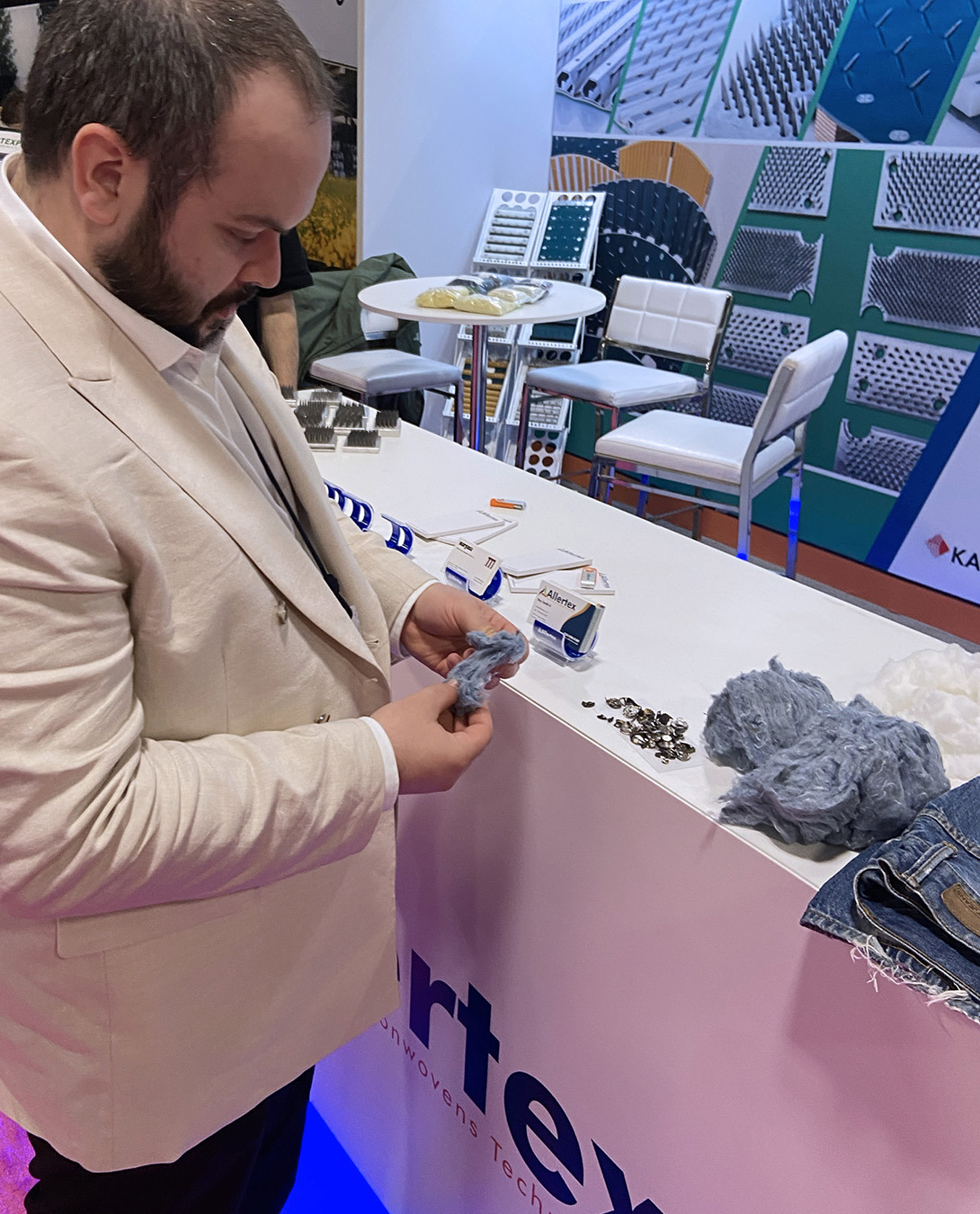
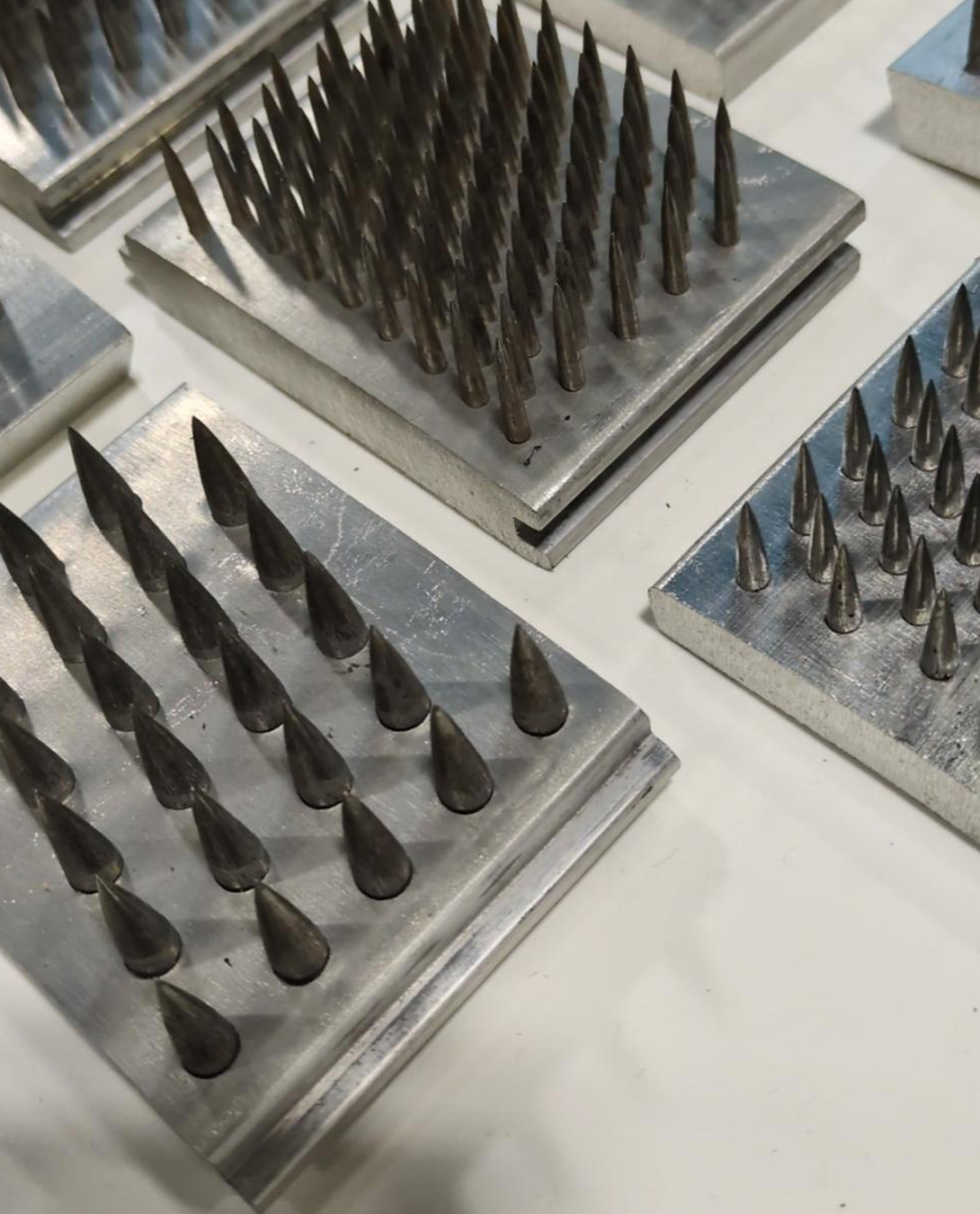
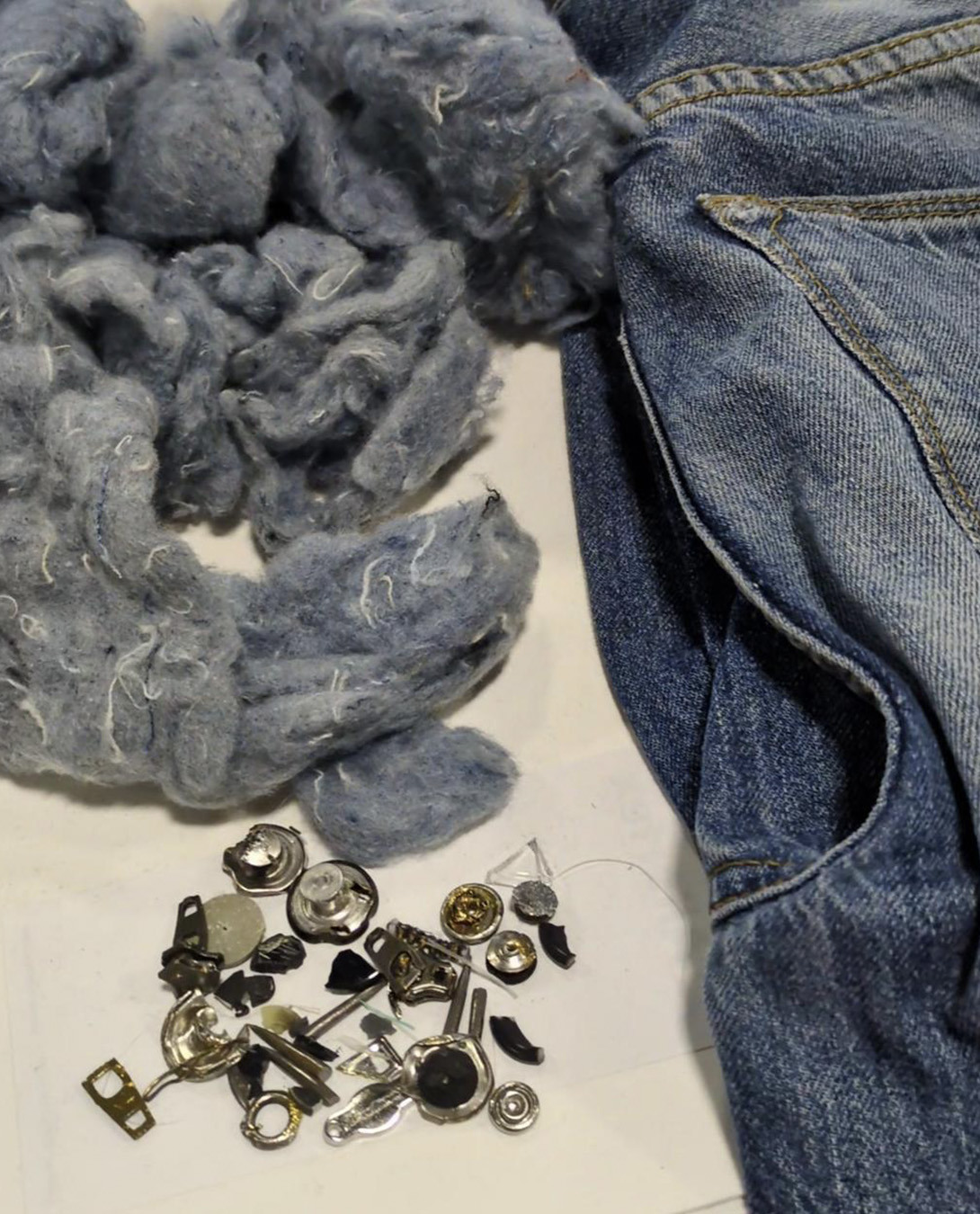
Several companies that use or offer mechanical, chemical, biological, or thermomechanical processing solutions were on hand to present these innovative processes. The material disassembly stage is a common step in all recycling processes, and in the case of textiles, factors such as material composition, the presence of impurities, and the wide variety of items to be recycled contribute to the complexity of the task. Each of the major breakdown categories mentioned above also has subcategories of methods, sources, and technologies, creating a wide range of possibilities and opportunities for clothing recycling.
Extended Producer Responsibility: A Timely Concept
Several conferences have been held to promote a better understanding of various concepts, such as extended producer responsibility (EPR). This policy approach, implemented in certain states such as France and California, is defined as “a principle whereby companies that place products on the market are responsible for their end-of-life management ” (Recyc-Québec, 2026). EPR systems are already in place for sectors other than fashion in Quebec and require companies in these sectors to either establish a program for the recovery and recycling of the products they place on the market, or to be members of a recognized management organization (RMO) that implements it on their behalf.
These policies, which are often complex to implement, aim primarily to increase the economic viability of recycling, but must take into account the solutions already in place and the activities already carried out by actors in the social and solidarity economy. They also emphasize source reduction, reuse, and recycling. EPR policies are being developed in several countries, and it is important for our team to review the feedback emerging following their implementation.
Finally, various panel discussions highlighted several interesting findings related to reuse and recycling.
The Need to Boost Demand for Recycled Materials
The first observation made by several stakeholders in the recycling sector concerns the large volume of donated materials—such as fabric scraps, end-of-life clothing, and samples—compared to the insufficient number of buyers willing to source recycled materials. Although textile recycling is growing in popularity, too few organizations use materials containing recycled fibers.
The economic challenges surrounding clothing recycling
The economic viability of clothing recycling was the subject of numerous discussions during the trade show. Recycling initiatives often require multiple processing steps, the integration of various technologies, and specialized expertise, which can make recycled materials less economically competitive than virgin materials. This reality can also be exacerbated by subsidies for certain virgin petrochemical-based materials, which help keep costs particularly competitive and intensify the economic challenges faced by recycled materials. On the other hand, the performance of recycled fibers has improved significantly thanks to technological advances in composition-based sorting, removal of hard points, and material de-structuring.
In conclusion, our team was proud to be among the participants at the event and to take part in the discussions that took place there.
In response to the growing challenges associated with managing end-of-life clothing, Vestechpro supports industry stakeholders in developing concrete solutions that promote a more circular approach to fashion and apparel.
Working with fashion companies, our team supports the implementation of best practices aimed at improving, among other things, the sustainability, reusability, and recyclability of products. We also offer training and support services to help teams better understand and integrate the principles of the circular economy as they apply to the fashion and apparel sector, incorporating them into their product development, sourcing, production, and environmental communication efforts.
We also collaborate with stakeholders in the second-hand and upcycling sectors, particularly organizations and companies such as Renaissance, on projects related to the reuse and upcycling of clothing products, as well as the preliminary stages of textile recycling.
Furthermore, although Vestechpro has textile recycling equipment, it is not intended for the large-scale processing of consumer textiles.
This equipment is primarily used in research, experimentation, and validation projects conducted with secondhand organizations, potential buyers, municipalities, and various partners within the ecosystem.
Interested in discussing this topic with us? Contact our team! and the growing consumer demand for this issue. Beyond the theme of recycling at the heart of the event, the discussions also highlighted the many challenges associated with its implementation, including the collection of used clothing, its sorting, categorization, and handling, as well as the various stages of its transformation and repurposing into new products.
Last spring, Vestechpro took on a challenge that was unique, to say the least: to design and manufacture a giant costume modeled after the Peace…
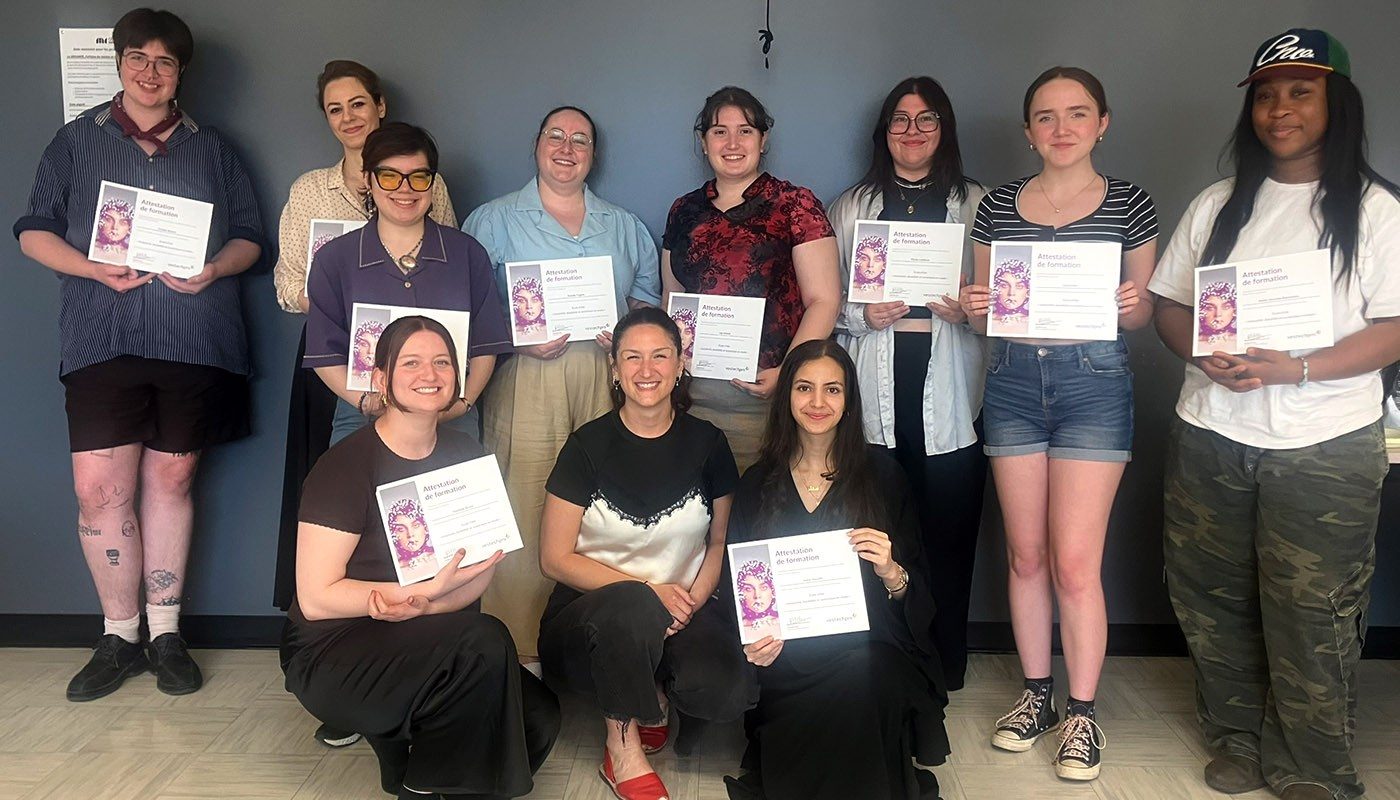
The Vestechpro Summer School returned in June 2026 for its fifth edition, focusing on the themes of inclusivity, sustainability, and the role of…
Eco-design, responsible sourcing, end-of-life management… Does your company want to support its green transition but lack the expertise to know where…
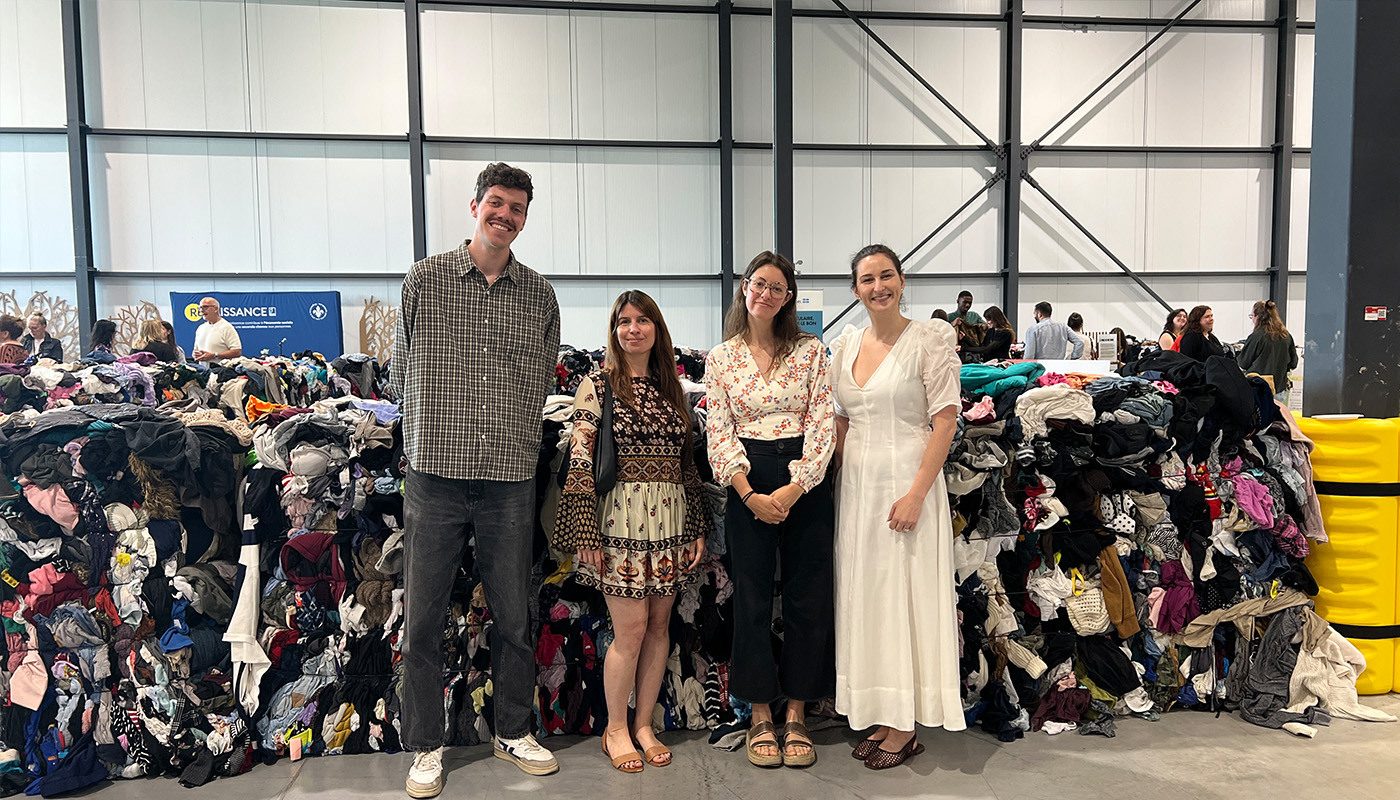
Our team was pleased to participate in the launch of the 2026 Responsible Consumption Barometer, presented by the Observatory of Responsible…